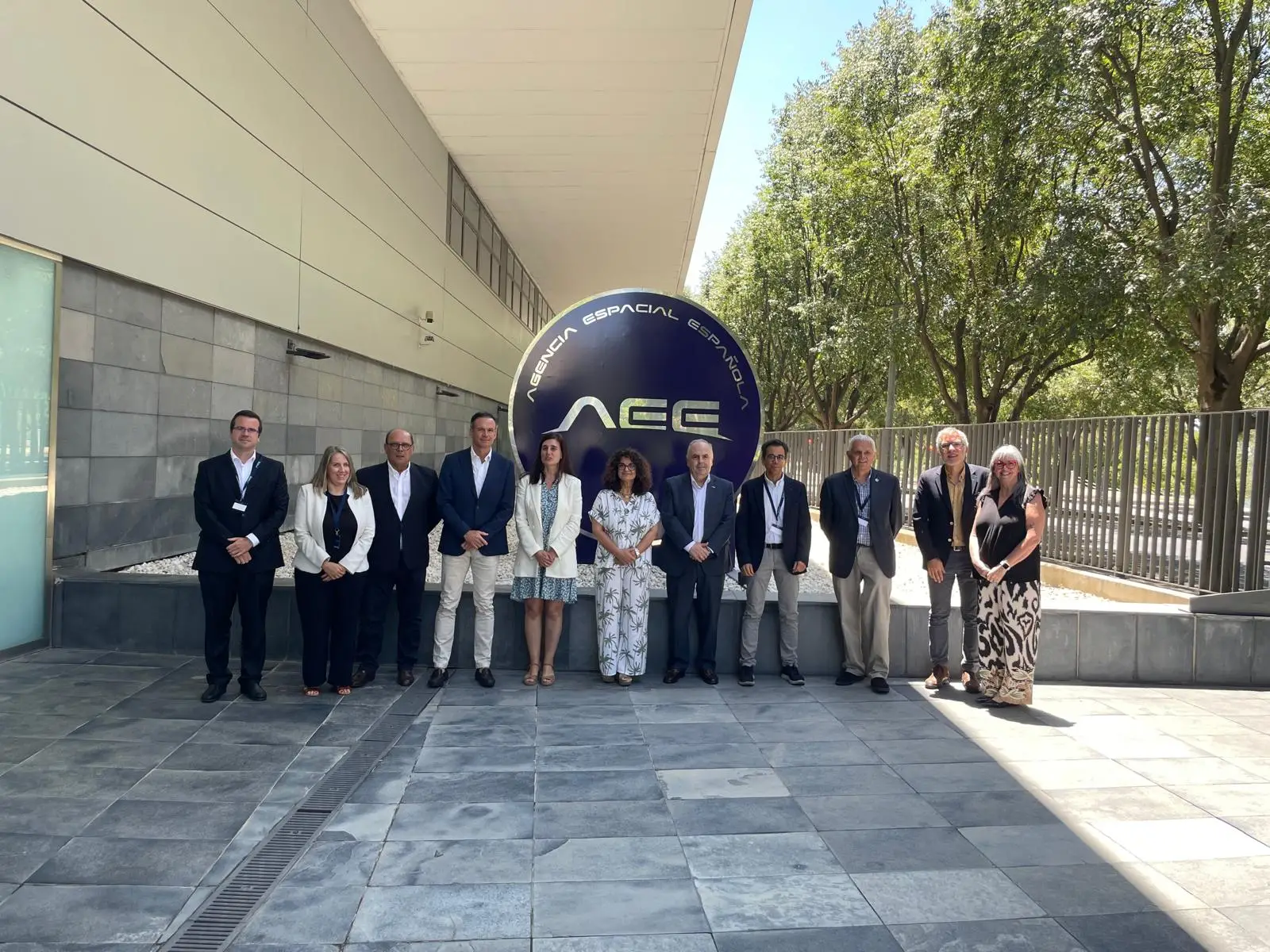
Agustín Moreno, Director of the Science and Technology Park of Castilla-La Mancha (PCTCLM), which hosts ESA BIC Castilla-La Mancha, took part in the 2nd Meeting of the Coordination Committee with Spain’s Autonomous Communities and Cities on Space Affairs (CODIMA), held at the headquarters of the Spanish Space Agency (AEE) in Seville.
The meeting brought together representatives from all 17 autonomous communities to strengthen cooperation between Spain’s national and regional administrations in the development of a coordinated space policy that builds on the capabilities and strategic priorities of each territory.
During the session, Catalonia was elected to chair the Committee, while participants reviewed the progress of Spain’s National Space Strategy and learned about the regional space strategies being implemented by Catalonia, Andalusia and the Canary Islands.
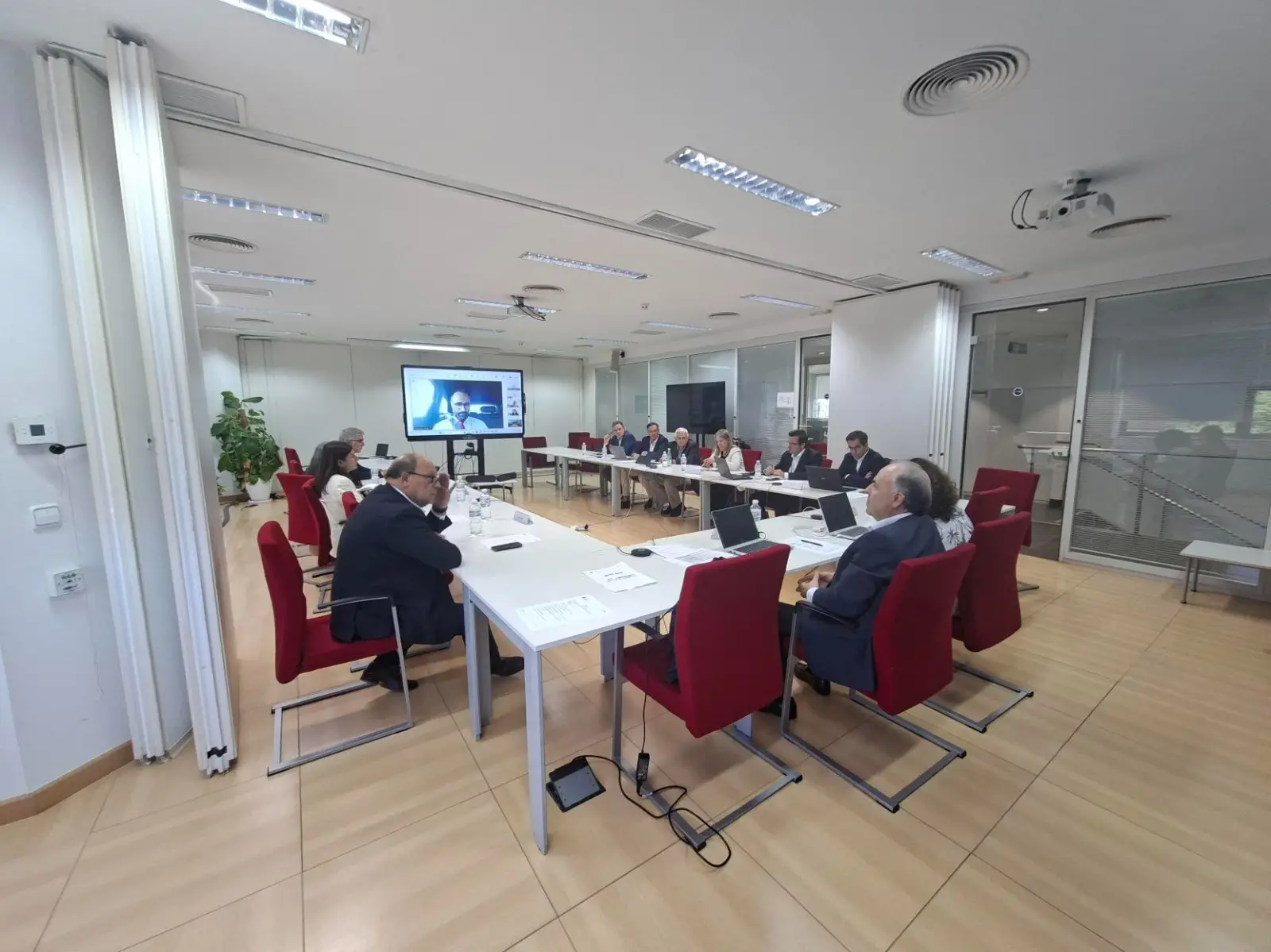
Opening the meeting, Juan Carlos Cortés, Director of the Spanish Space Agency, highlighted the strong momentum of Spain’s space sector, which is expected to generate €1.5 billion in revenue in 2025, with sustained annual growth exceeding 14%. He also stressed the importance of establishing a clear and predictable public demand to enable industry and research organisations to plan investments and strengthen their technological capabilities.
For ESA BIC Castilla-La Mancha, participation in this high-level forum reflects its commitment to contributing to Spain’s growing space ecosystem. As part of the European Space Agency’s Business Incubation Centre network, ESA BIC Castilla-La Mancha supports entrepreneurs and startups developing innovative space technologies and downstream applications, helping transform cutting-edge ideas into successful businesses.
The meeting also reinforced the importance of collaboration between public institutions, regional innovation ecosystems and industry stakeholders to accelerate the growth of the Spanish and European space sectors and create new opportunities for innovation, investment and entrepreneurship.